Keeping an eye on your health from home has never been easier. Between digital gadgets, easy-to-understand health checks, and a few solid daily habits, there are plenty of ways to stay tuned in to how you’re really doing, both physically and mentally. If you want to make better decisions about your health without waiting for your yearly checkup, there are practical steps you can take right now. I’ll walk you through the top ways to stay in tune with your health, along with tips and tools that make home monitoring simple and pretty effective.
Everyday Tools for Tracking Your Health at Home
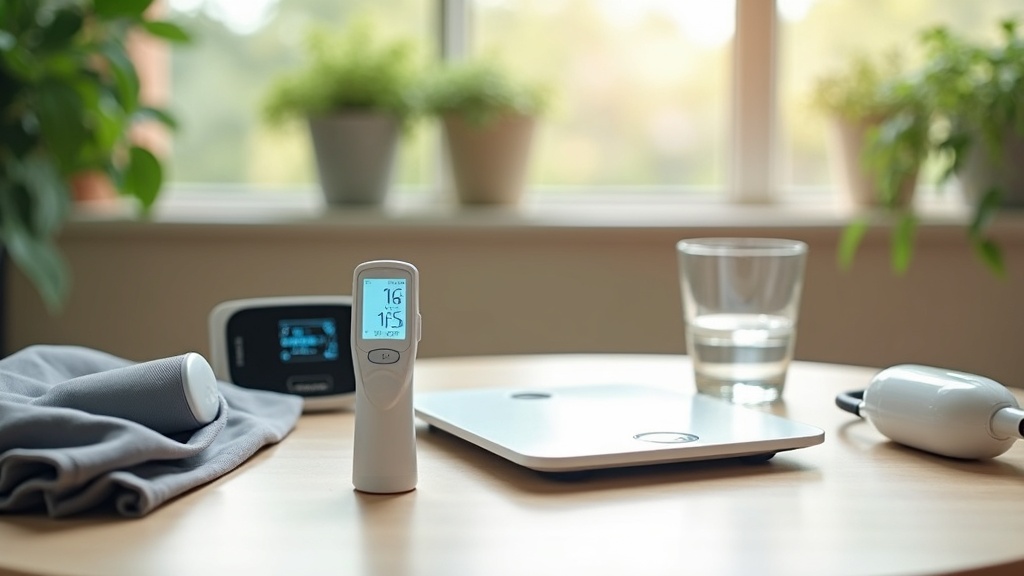
Technology has opened up a new world for home health monitoring. You don’t need a clinic for the basics. Now, you can keep tabs on important numbers right from your living room. Here are some of the most handy tools I’ve added to my health routine:
- Digital Thermometers: Quick temperature checks help you spot fevers early, which is super helpful for catching illnesses before they get out of hand.
- Blood Pressure Monitors: These have become really easy to use. Just wrap the cuff, press a button, and there’s your reading. Regular checks matter, since high or low blood pressure can sneak up on you and cause problems if you don’t catch it.
- Glucose Meters: You don’t need to be diabetic to want to know your blood sugar. High sugar isn’t just about snacking; it quietly messes with organs and energy. Spotting trends early can help you talk to your doctor before it becomes a bigger deal.
- Smart Scales: Weight can creep up when you least expect it, especially when routines change. Most smart scales give you more than a number. They track trends, body fat, and other interesting stats right on your phone.
- Fitness Trackers: With these, you’ll see actual numbers for things like steps taken, sleep patterns, and even stress levels. They can push you to move more, which is never a bad thing.
Having a few of these tools at your fingertips means you can track changes before they become larger problems, making it easy to step up your health game from home. Even if you can’t afford every gadget, just having one or two can really help keep you aware and motivated.
Five Key Health Markers to Watch
Tuning in to a few basic numbers gives you a better picture of your overall health and helps you spot sneaky changes before they snowball. These are the five check-ins I never skip for myself:
- Sugar Levels: Having consistently high blood sugar is nothing to take lightly, even if you don’t feel “off.” Sugar swings sap your energy and mess with your mood. Left unchecked, they can set you up for serious health issues.
- Blood Pressure: This number matters. High or low, it can affect everything from your energy to your heart. Aim for regular readings, like once or twice a week. If things are off, don’t ignore it; talk to your doctor.
- Stress: Stress isn’t always dramatic, but it quietly affects sleep, mood, and even your immune system. I use wearable trackers that measure heart rate variability and gentle breathing to get a sense of my stress patterns. Even just rating your stress at the end of the day (on a 1-10 scale) can help you spot patterns.
- Weight: It’s easy to let weight creep up, especially when you’re busy or stuck at home. Weighing in weekly helps you spot trends and nudges you to make small, healthier choices, without obsessing over every single pound.
- Exercise: Moving is more than just a few steps, or a hop from bed to the bathroom, to the desk. I keep track of my steps and try to add up actual active time, like brisk walks, cycling, or even a dance session when no one’s watching. The more you move, the better you’ll feel overall.
By checking these key areas regularly, you can spot trends quickly, which lets you make changes before issues pile up.
How to Build a Simple Daily Health Routine
Starting can seem overwhelming, but trust me, a few small habits are all you need to get going. Here’s what works for me, and you can mix things up to fit your own schedule and needs:
- Morning: Check your weight and maybe blood pressure before breakfast. Jot these numbers down in a notebook or use your gadget’s app.
- Midday: If you have a glucose monitor and your doctor recommends it, check your sugar. Otherwise, drink some water and take a brisk walk; both give a boost.
- Evening: Use your tracker to check in on steps and active minutes. Notice your stress level. Did you take enough breaks? Spend a few minutes stretching or winding down before bed.
Tracking isn’t about perfection, it’s about awareness. Once you have a week or two of info, you’ll spot what’s working for you and what trips you up. Over time, these tiny changes can add up to a big difference in your wellbeing.
Why Your Mental Health Deserves Attention Too
Home health isn’t all about numbers. Mental health is just as important, and being stuck at home or isolated can really hit your mood and motivation. Here’s a few ways to keep your head space, anxiety, and mood in a better place day by day:
- Stay Connected: Make an effort to check in with friends, family, or coworkers, especially if you’re working remotely or living alone. A quick message, call, or even a shared meme goes a long way toward keeping you social.
- Schedule Social Time: I set reminders to reach out to at least one person every day. Sometimes it’s a video chat, other times it’s just sending a text. The point is to stay plugged in and keep those relationships alive; they’re a big buffer against stress.
- Limit Doom Scrolling: Balance social media use with downtime away from screens. Even just 10 minutes reading a book, sitting outside, or meditating can really shift your mindset and help you unwind.
If you start feeling blah, take it seriously. Mood changes can be early signs of stress or health issues. Reach out to your healthcare provider if you need support. Remember, you’re not alone in this.
How Your Home Environment Shapes Your Health
The space you spend your days in affects more than you might realize. A calm, organized, and peaceful environment helps with both physical and mental health. Here are a few adjustments I make to keep things chill around the house:
- Declutter Regularly: Less clutter means less stress and distraction. Spend 10 minutes daily clearing off a counter, desk, or nightstand to keep things tidy.
- Air Quality Matters: Open the windows for fresh air when you can, or consider using a small air purifier if you’re in a city or have allergies. A breath of fresh air can change your mood and your energy.
- Soothing Touches: Low lighting in the evening, comfy blankets, houseplants, and gentle background music can all boost your mood. Setting up your space to relax makes it much easier to wind down and catch solid sleep.
Taking a little time to shape your space helps lower overall stress and makes it easier to keep good habits going.
Frequently Asked Questions
Here are a few questions I get a lot when it comes to monitoring health at home:
Question: Can I trust home health devices?
Answer: Most digital devices today are pretty reliable for spotting changes or trends, but always use them as a guide, not a replacement for professional care. If you notice odd patterns or anything that concerns you, reach out to your doctor. I did notice that my wrist cuff blood pressure monitor records slightly lower BP readings over my arm cuff. So, good to verify and check on your devices.
Question: How often should I check my health stats?
Answer: This depends on your health goals and your doctor’s advice. If you’re generally healthy, weekly checks work for weight and blood pressure. If you have health conditions, your care team might recommend more frequent checks.
Question: What if I hate tracking numbers?
Answer: Tracking isn’t for everyone. If numbers stress you out, focus on building healthy routines, like daily stretching or regular check-ins with friends. The main thing is being aware and acting early when things feel off.
Putting It All Together for a Healthy Home Routine
Monitoring your health at home is more about small steps and steady habits than sweeping changes. The tools, like smart scales and blood pressure cuffs, are great helpers, but listening to your body, caring for your mind, and creating a relaxing space really make the difference. With a bit of consistency, you’ll find yourself more in control and confident about your health, right from your own home. Start small, be patient, and celebrate every little win—your future self will thank you.